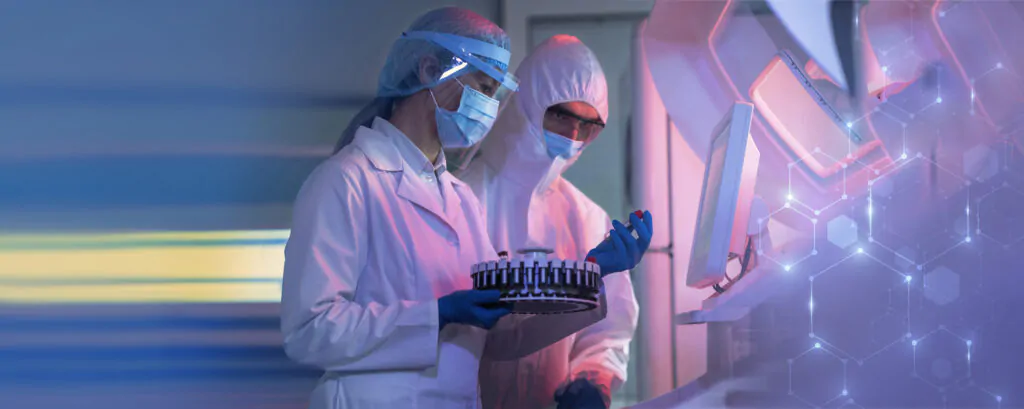

Biotechnology is entering a new era—no longer limited to traditional medicine, it is now blurring the lines between genetics, AI, and regenerative science. With advancements in synthetic biology, bioengineering, and data-driven healthcare, we are witnessing a fundamental shift in how medicine is developed, delivered, and personalized.

Key Trends Driving Biotech in 2025
- Organoid Intelligence (OI) – Researchers are creating lab-grown brain structures that have the potential to revolutionize AI, neuroscience, and disease modeling.
- AI-Driven Drug Discovery – AI models are designing new medications in record time, reducing research costs by up to 70%.
- Gene Editing & CRISPR 3.0 – The latest CRISPR advancements allow for safer, more precise genetic modifications, potentially eliminating hereditary diseases.
- 3D Bioprinting of Organs – Scientists are making significant progress in printing functional tissues and organs that could solve the global organ transplant crisis.
- Regenerative Medicine – Stem cell therapies and personalized regenerative treatments are enabling the recovery of damaged tissues and even reversing aging-related conditions.

How These Innovations Will Reshape Healthcare
- From Treatment to Prevention – Biotech is shifting from reactive medicine (treating diseases after they appear) to predictive and preventive approaches.
- Global Accessibility to Advanced Medicine – AI-powered biotech solutions lower costs and increase access to cutting-edge treatments worldwide.
- The End of Aging? – Longevity research, fueled by AI and biotech, is uncovering ways to slow down or even reverse the aging process, making extreme human lifespan extension a real possibility.
Biotechnology is not just advancing healthcare—it is completely redefining the future of human health, making disease prediction, prevention, and even reversal a tangible reality.